HT
HerbDev Application Rescue

AI Agent Architecture

AI Agent Architecture Patterns

AI agents are most useful when they are designed as focused business components. Each agent should have a clear role, controlled access to tools and data, logging, guardrails, and a human approval path when decisions affect customers, money, operations, or compliance.

Multi-agent system architecture with orchestrator, specialized agents, shared tools, governance, logs, and human approvals

What AI Agents Do

Focused agents work better than one oversized chatbot.

AI agents can classify requests, retrieve information, plan work, execute workflows, review compliance, process documents, create notifications, analyze business data, and coordinate multiple specialized systems. The best architecture is usually not one large chatbot. It is a controlled group of agents with narrow responsibilities and clear handoffs.

Agent Diagram Library

Common AI agent patterns for business software.

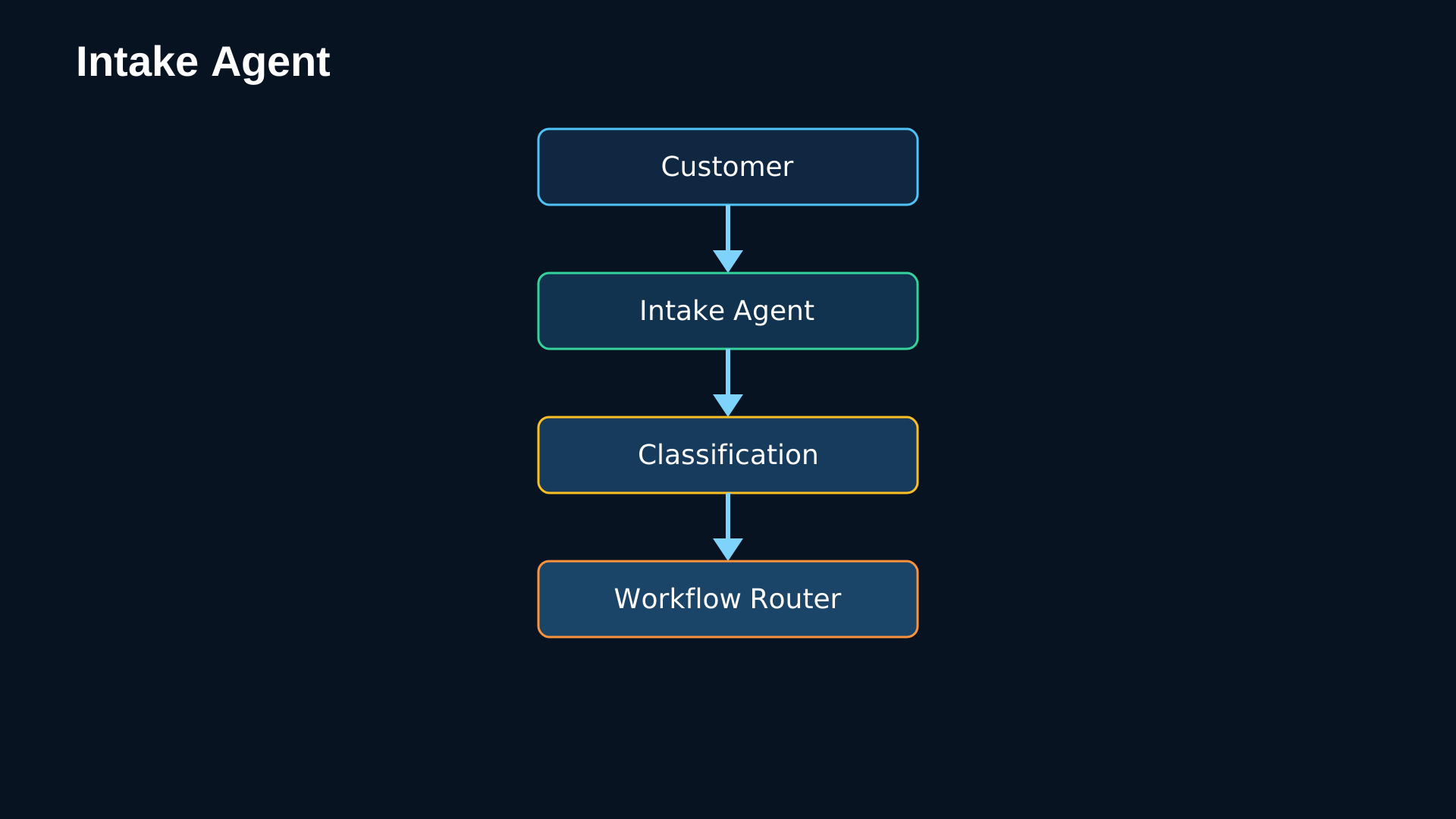
Intake and classification agent workflow diagram

Intake & Classification Agent

Receives customer, employee, or system requests and determines what they are, how urgent they are, and where they should go next.

Best-fit use cases

Lead intake, claim intake, support routing, appointment requests, triage workflows.

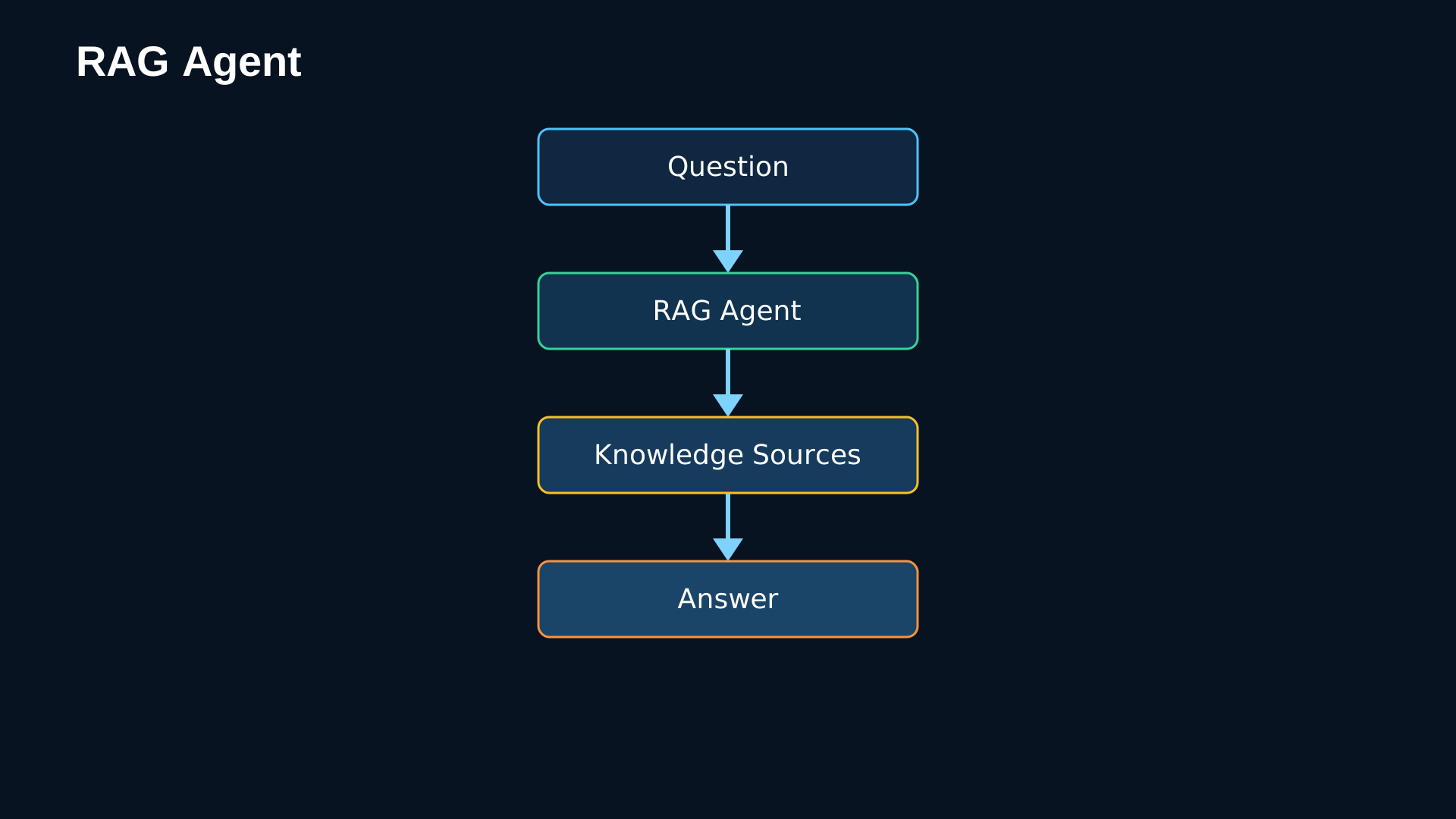
Retrieval augmented generation agent workflow diagram

Retrieval / RAG Agent

Finds trusted information from documents, databases, knowledge bases, and internal systems before the AI responds.

Best-fit use cases

Company knowledge search, policy lookup, customer record lookup, technical support, document-grounded answers.

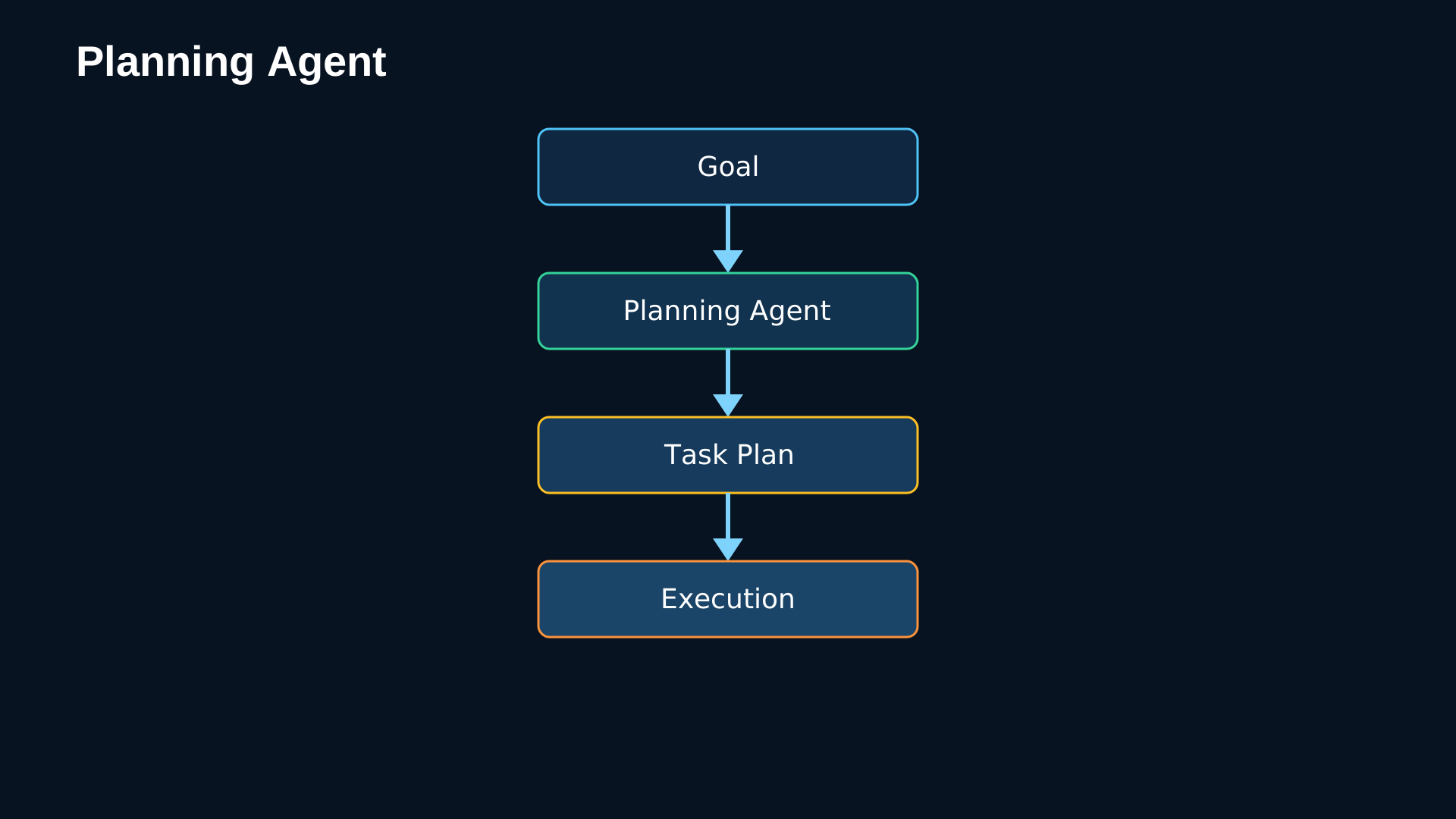
Planning agent workflow diagram

Planning Agent

Breaks a larger goal into steps, dependencies, tasks, owners, and checkpoints before execution begins.

Best-fit use cases

Project planning, software planning, operations planning, field-service planning, client onboarding.

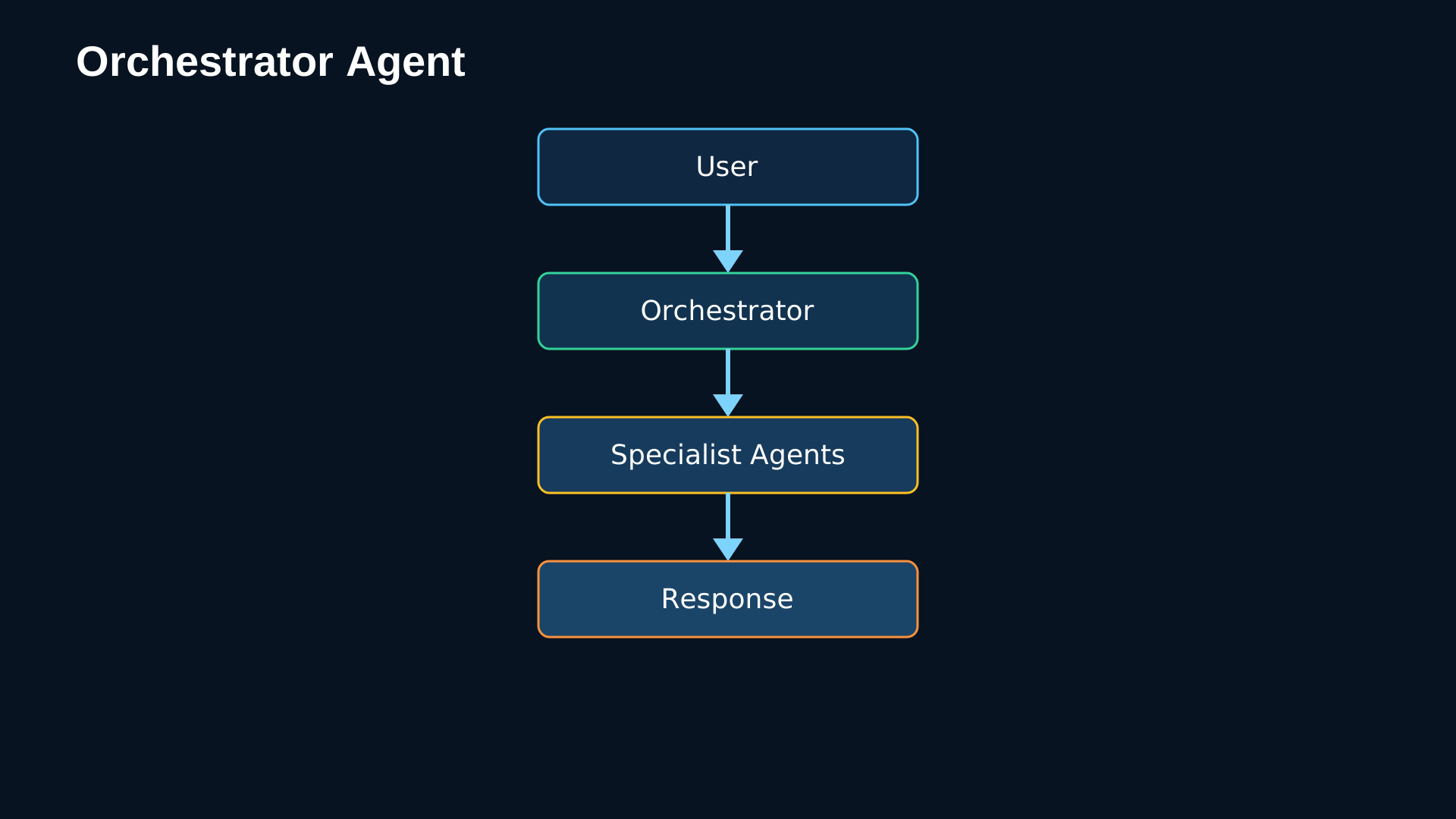
Orchestrator agent coordinating specialized agents diagram

Orchestrator Agent

Coordinates multiple specialized agents and combines their results into one controlled workflow.

Best-fit use cases

Multi-agent business systems, AI claim workflows, customer operations, internal automation platforms.

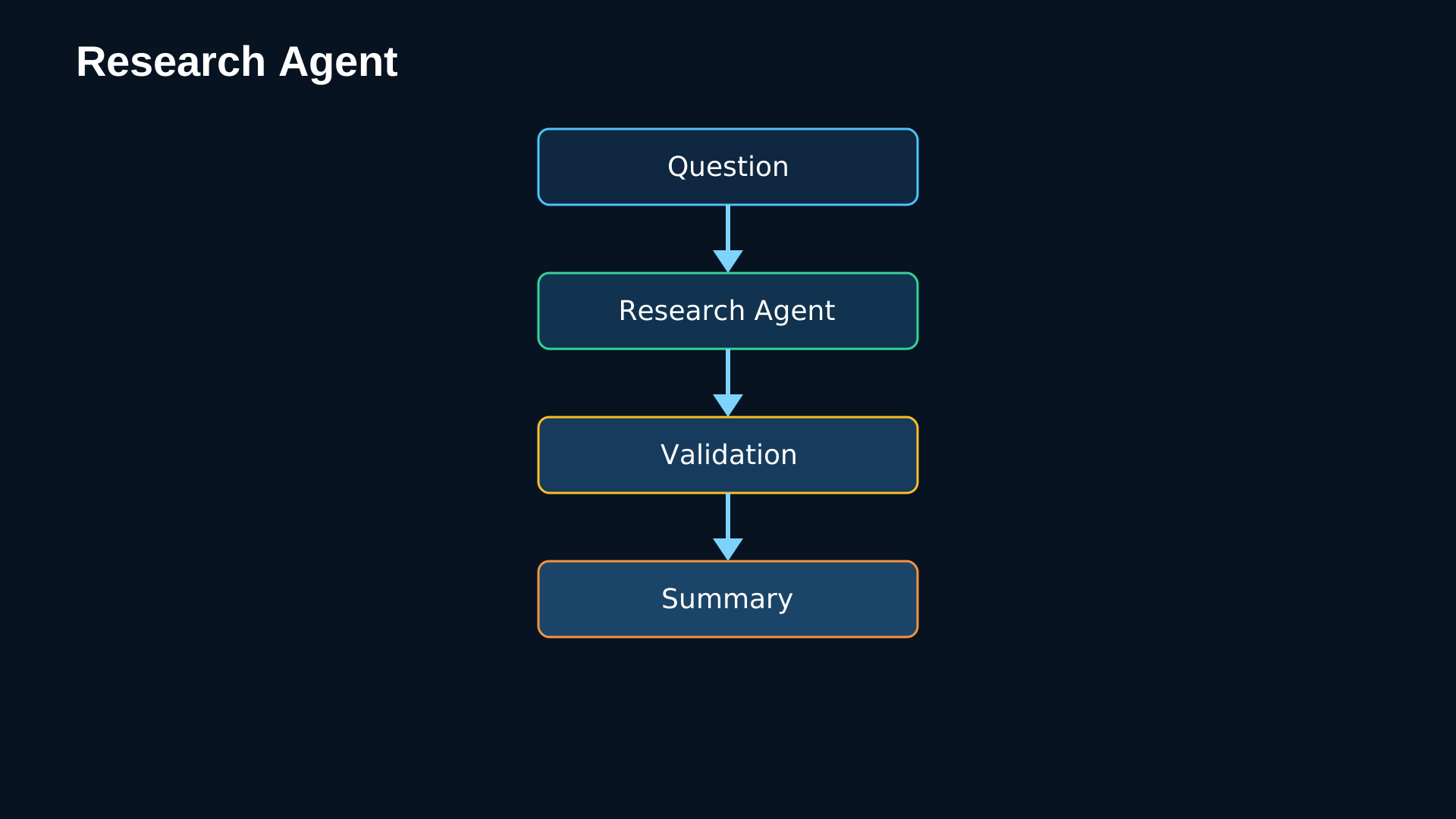
Research agent source comparison and validation diagram

Research Agent

Searches sources, compares findings, validates facts, and prepares a grounded summary.

Best-fit use cases

Market research, vendor research, competitive analysis, technical research, client discovery.

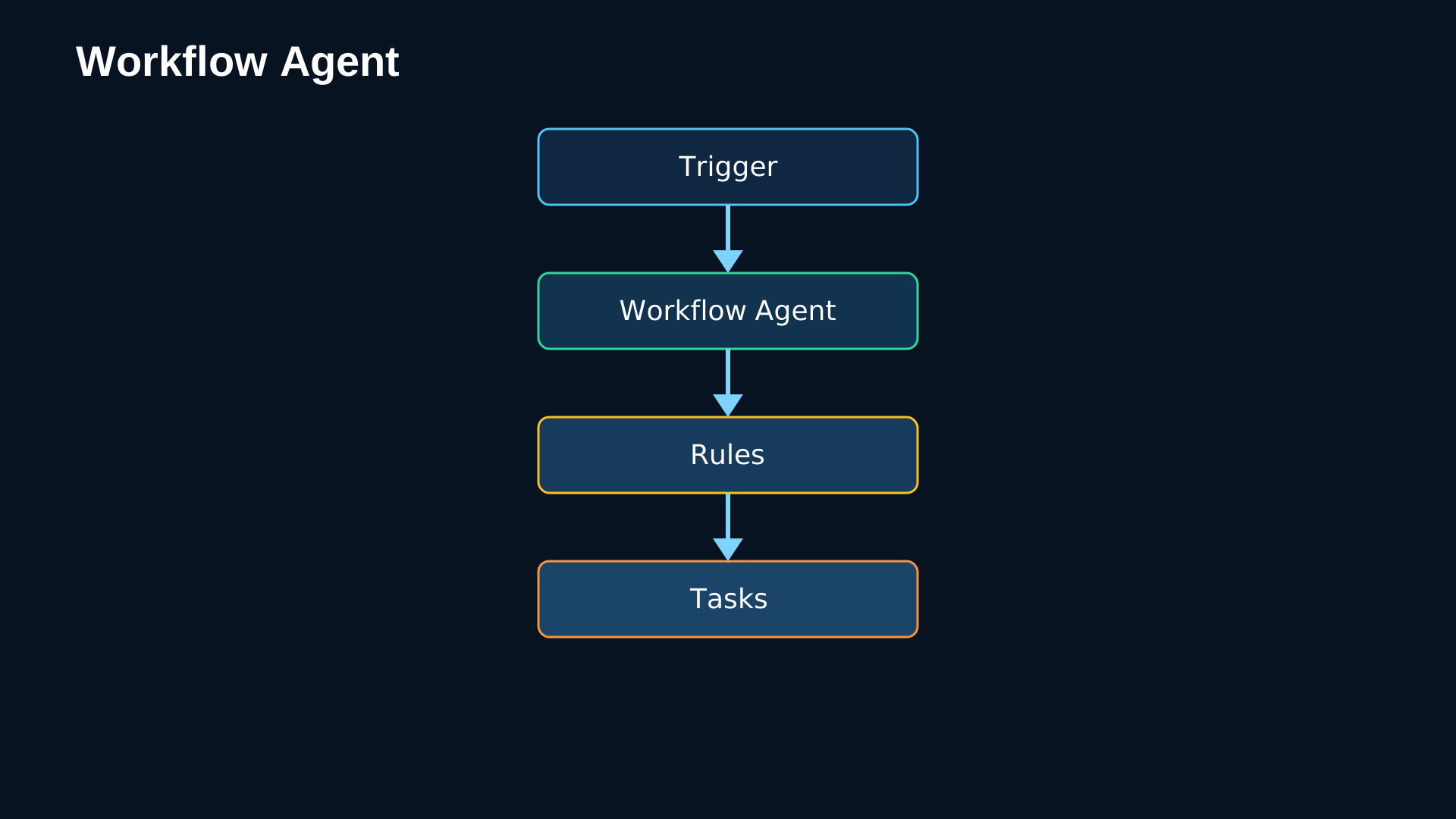
Workflow agent process execution diagram

Workflow Agent

Executes a repeatable business process by applying rules, generating tasks, and moving work through checkpoints.

Best-fit use cases

Claims processing, service requests, approvals, onboarding, back-office automation.

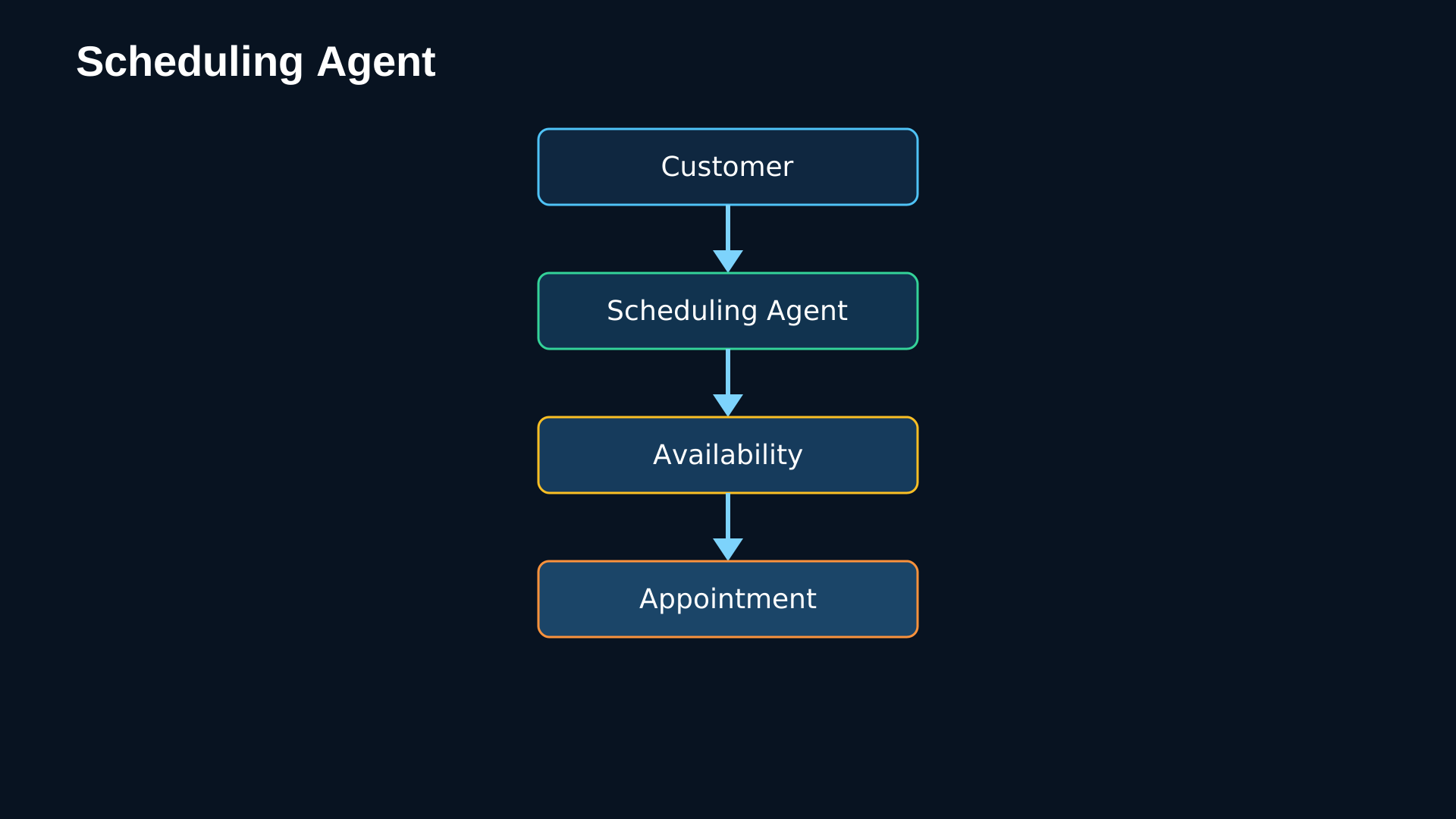
Scheduling agent availability and route feasibility diagram

Scheduling Agent

Checks calendars, availability, routes, conflicts, and business constraints before proposing or changing appointment times.

Best-fit use cases

Appointment rescheduling, field-service dispatch, technician scheduling, consultation booking.

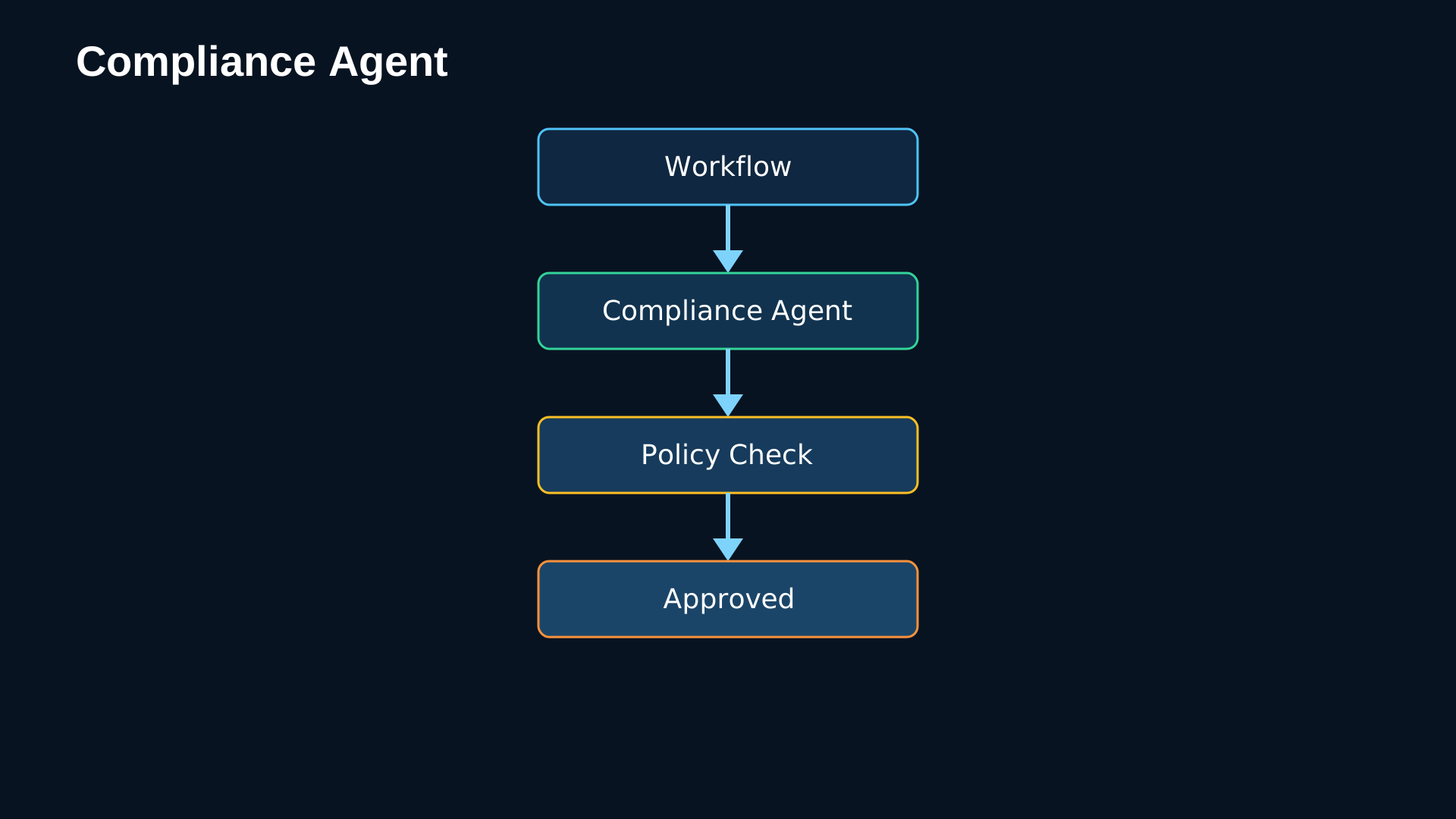
Compliance agent policy and approval review diagram

Compliance Agent

Reviews AI outputs and workflow decisions against policy, privacy, security, and regulatory rules before release.

Best-fit use cases

HIPAA-aware workflows, financial reviews, pension systems, legal-sensitive communication, internal policy control.

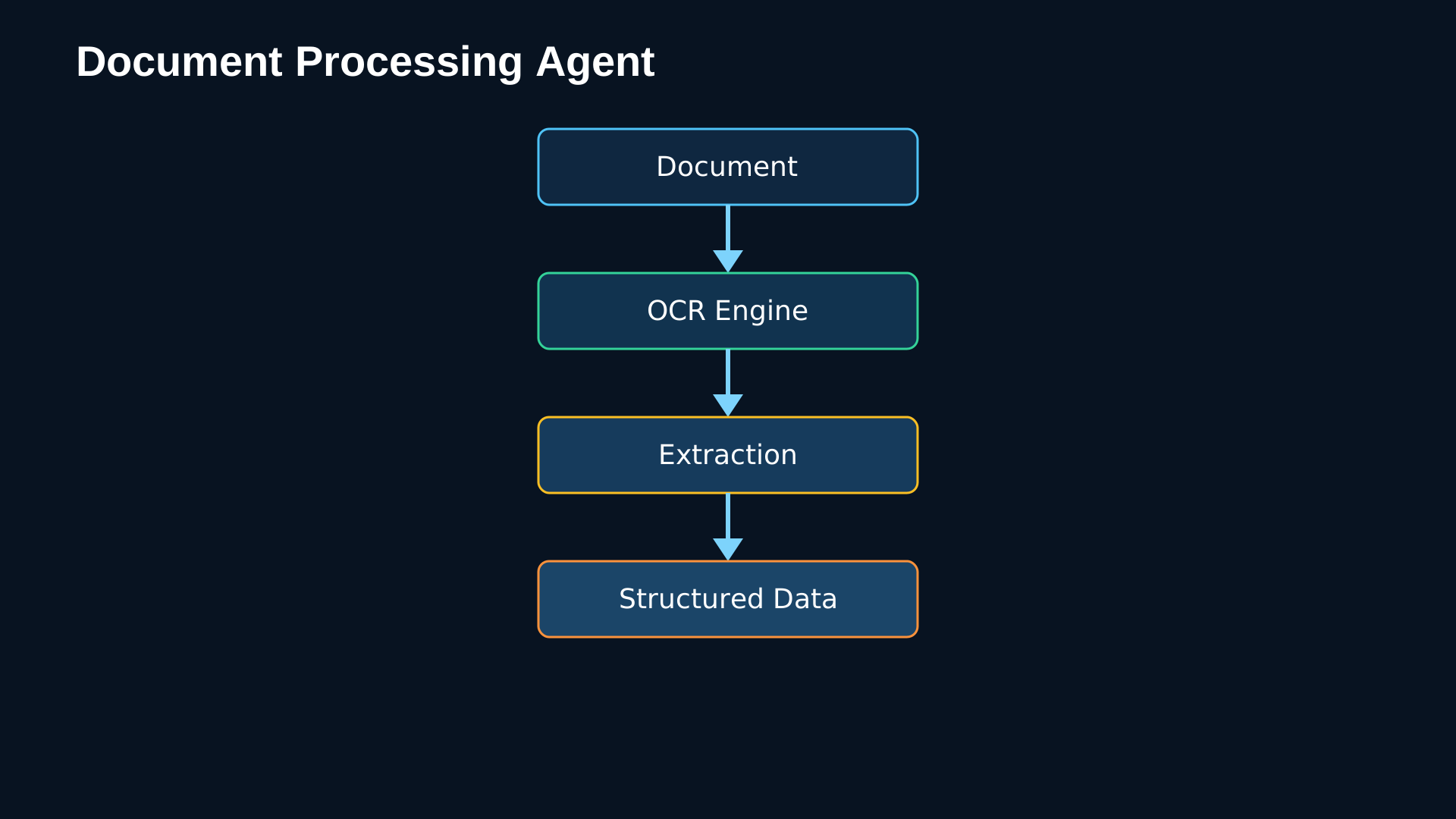
Document processing agent extraction workflow diagram

Document Processing Agent

Reads PDFs, images, forms, emails, and attachments, then extracts structured fields for review or system entry.

Best-fit use cases

Invoice intake, claim documents, onboarding packets, contracts, forms, IDs, medical or benefits paperwork.

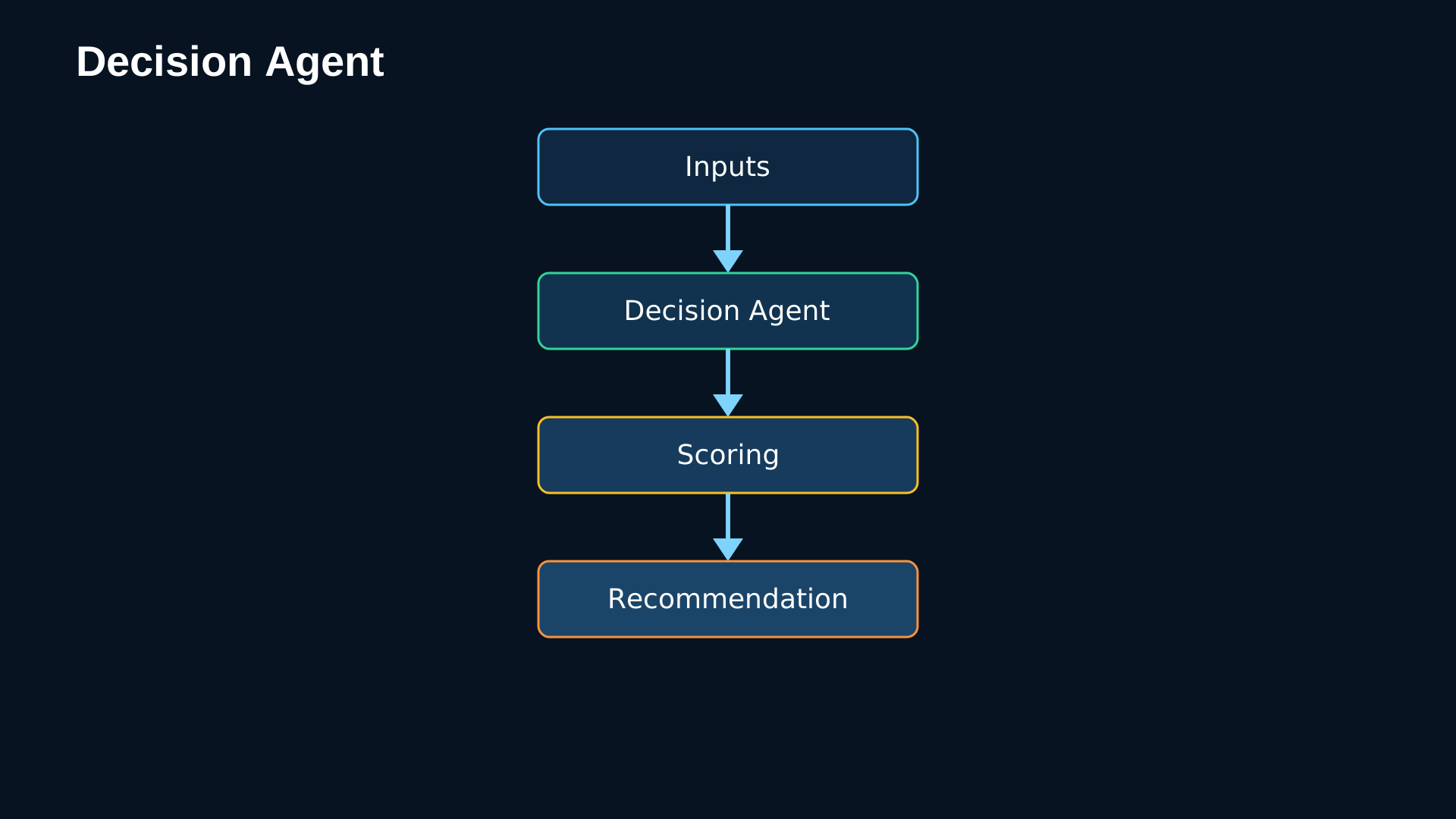
Decision agent scoring and recommendation workflow diagram

Decision Agent

Scores options, compares risks, explains reasoning, and recommends the next best action while preserving human approval.

Best-fit use cases

Risk scoring, claim routing, service recommendations, approval workflows, escalation decisions.

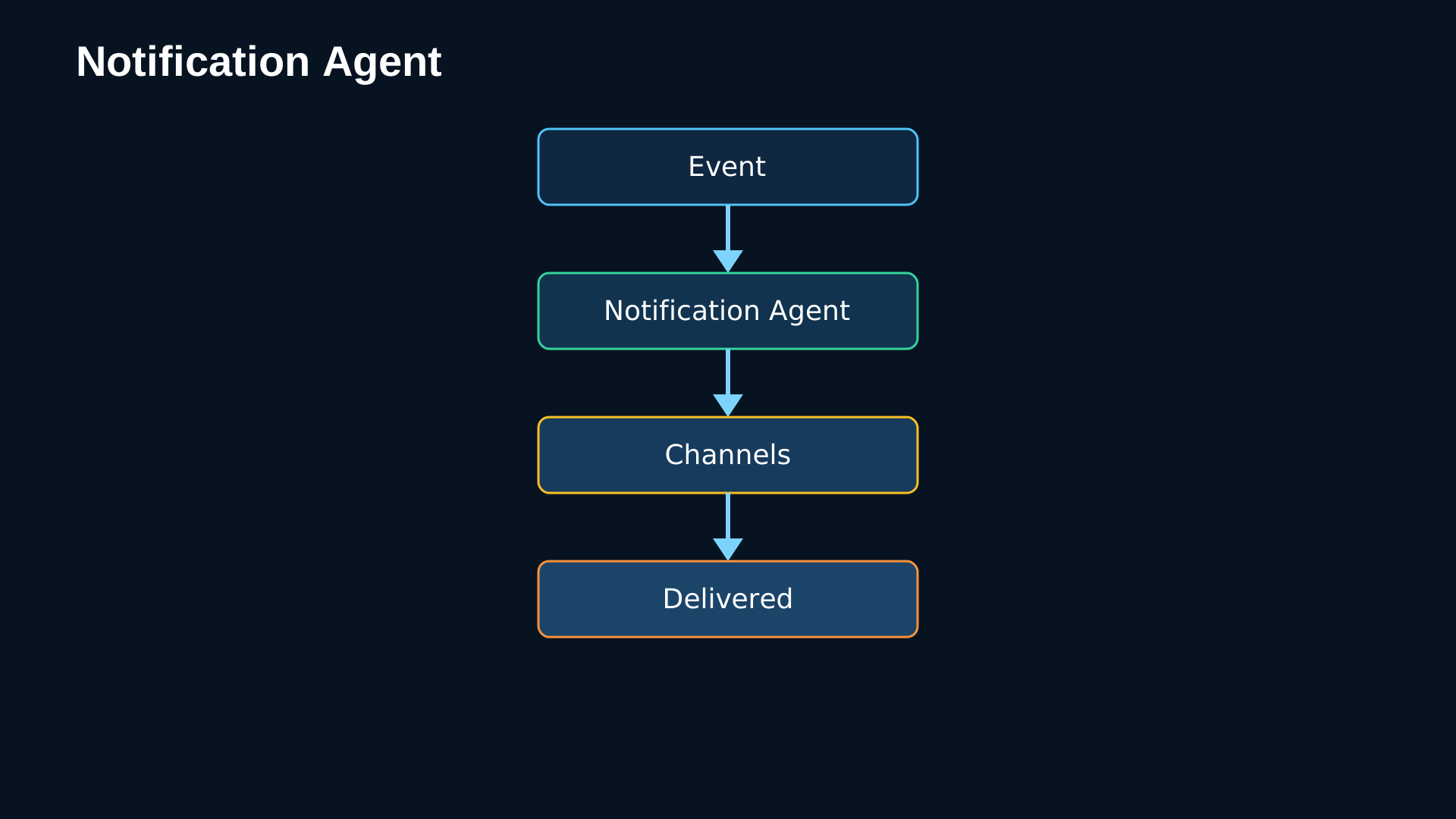
Notification agent event-based messaging workflow diagram

Notification Agent

Creates and sends controlled updates through email, SMS, push, or internal systems based on workflow events.

Best-fit use cases

Appointment updates, claim status, reminders, approvals, customer follow-up, staff alerts.

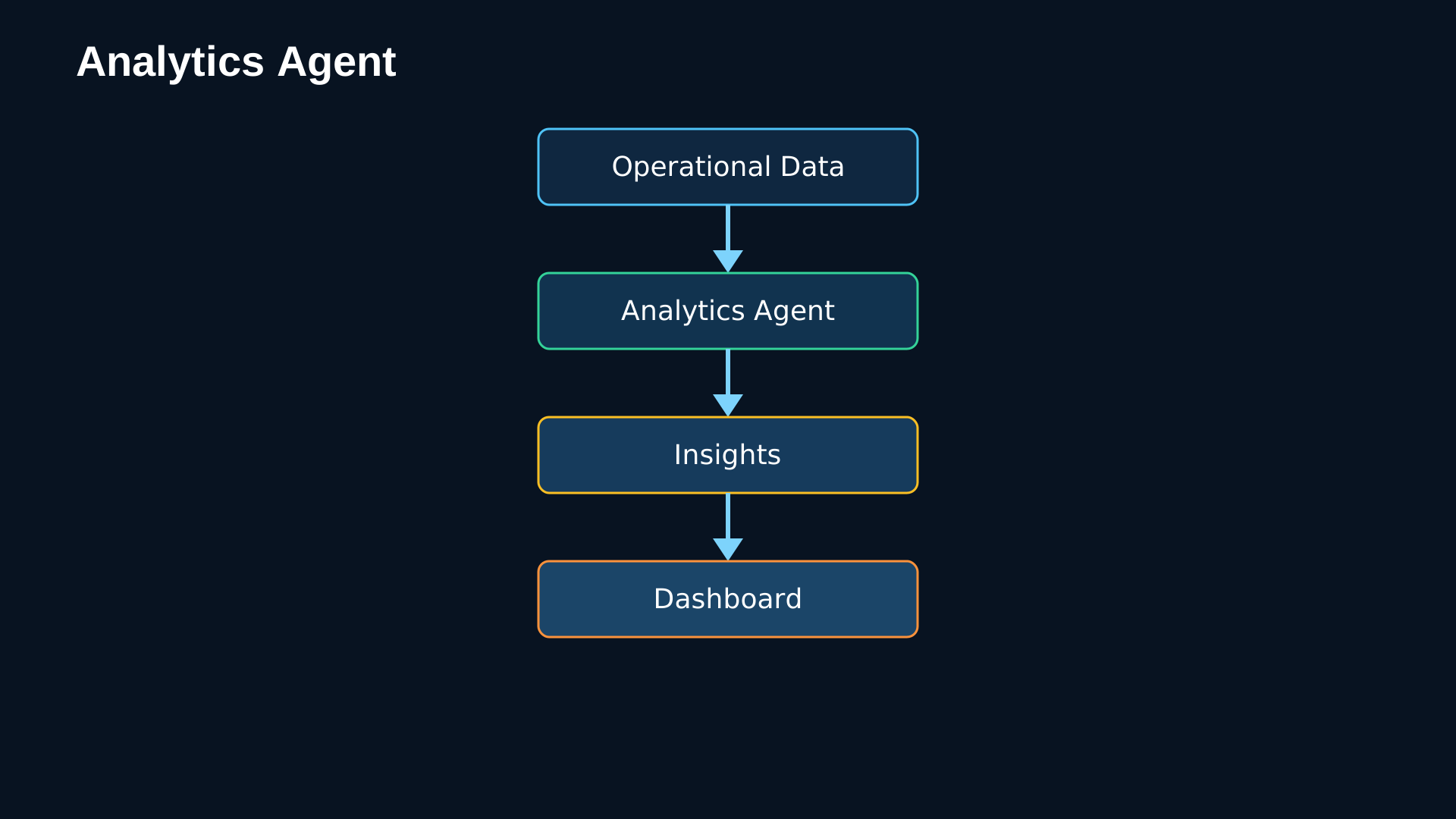
Analytics agent KPI and anomaly detection workflow diagram

Analytics Agent

Turns operational data into trends, KPIs, anomalies, and recommendations for better business decisions.

Best-fit use cases

Executive dashboards, claim trends, support volume analysis, service performance, operational forecasting.

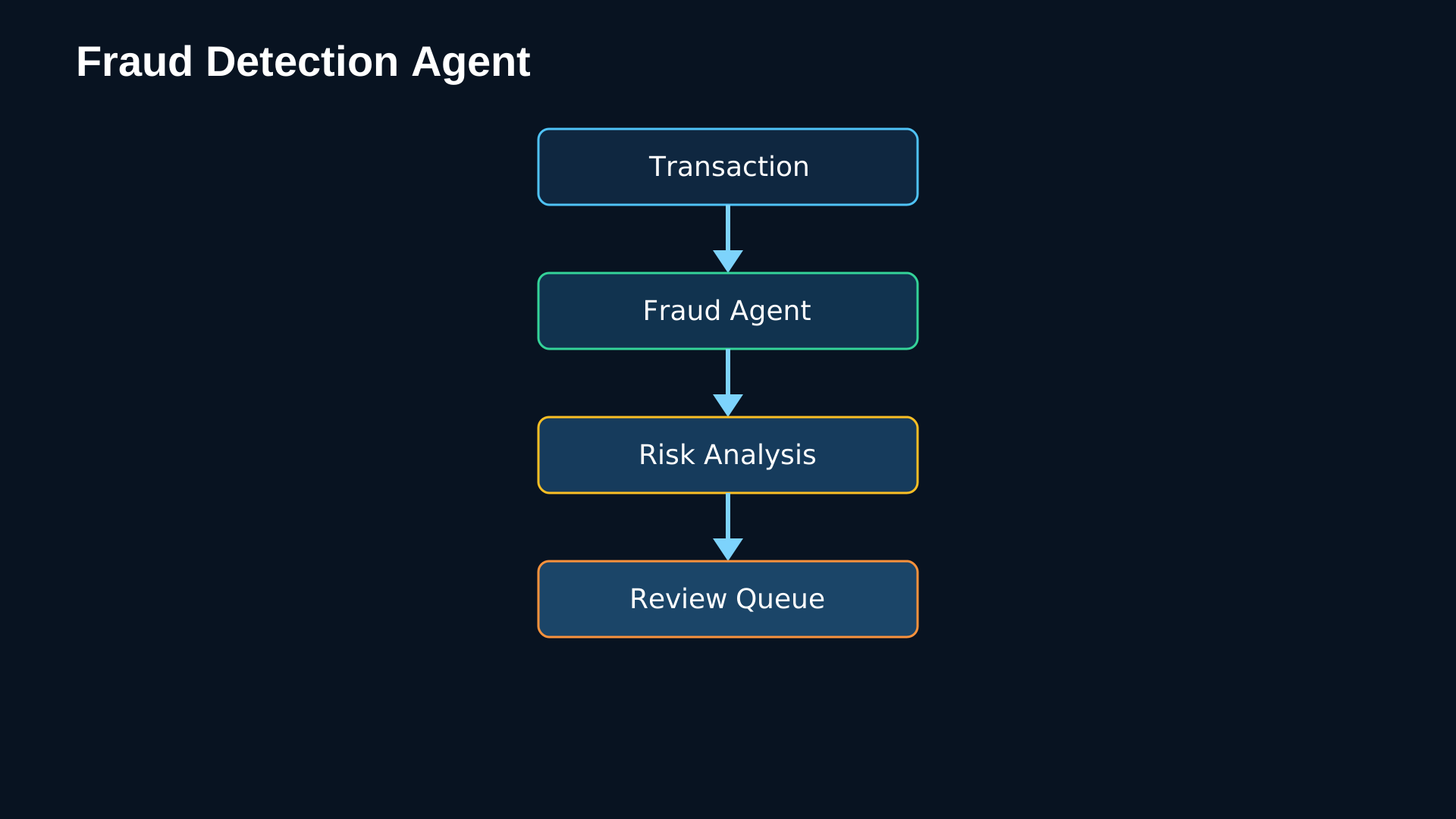
Fraud detection agent risk review workflow diagram

Fraud Detection Agent

Flags suspicious patterns, inconsistent information, unusual behavior, and high-risk activity for review.

Best-fit use cases

Claims review, transaction monitoring, duplicate submissions, abnormal customer behavior, risk investigation.

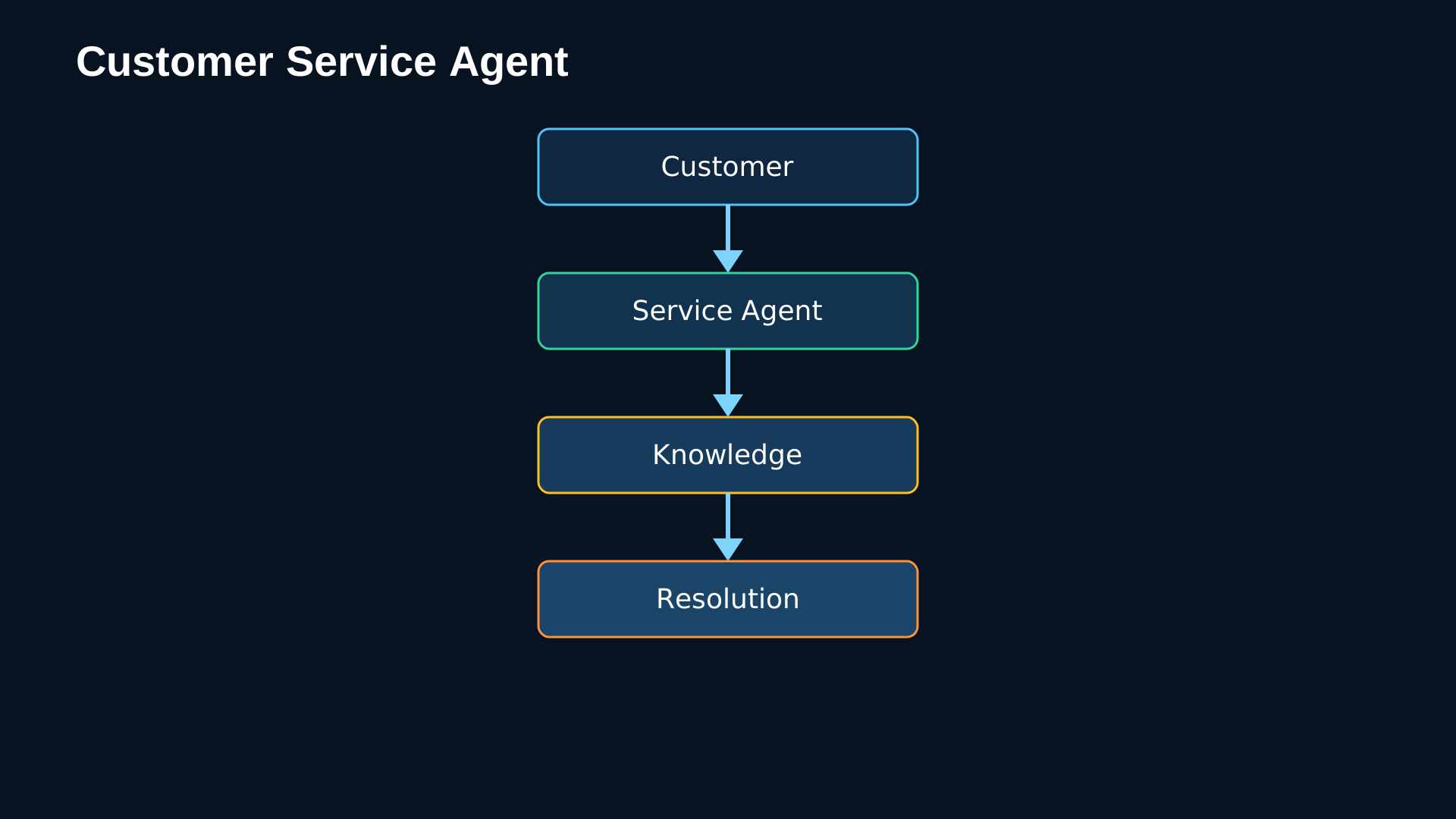
Customer service agent support and escalation workflow diagram

Customer Service Agent

Handles common customer questions, uses account context when allowed, and escalates complex or sensitive issues.

Best-fit use cases

Support chat, service status, appointment questions, account help, internal help desk.

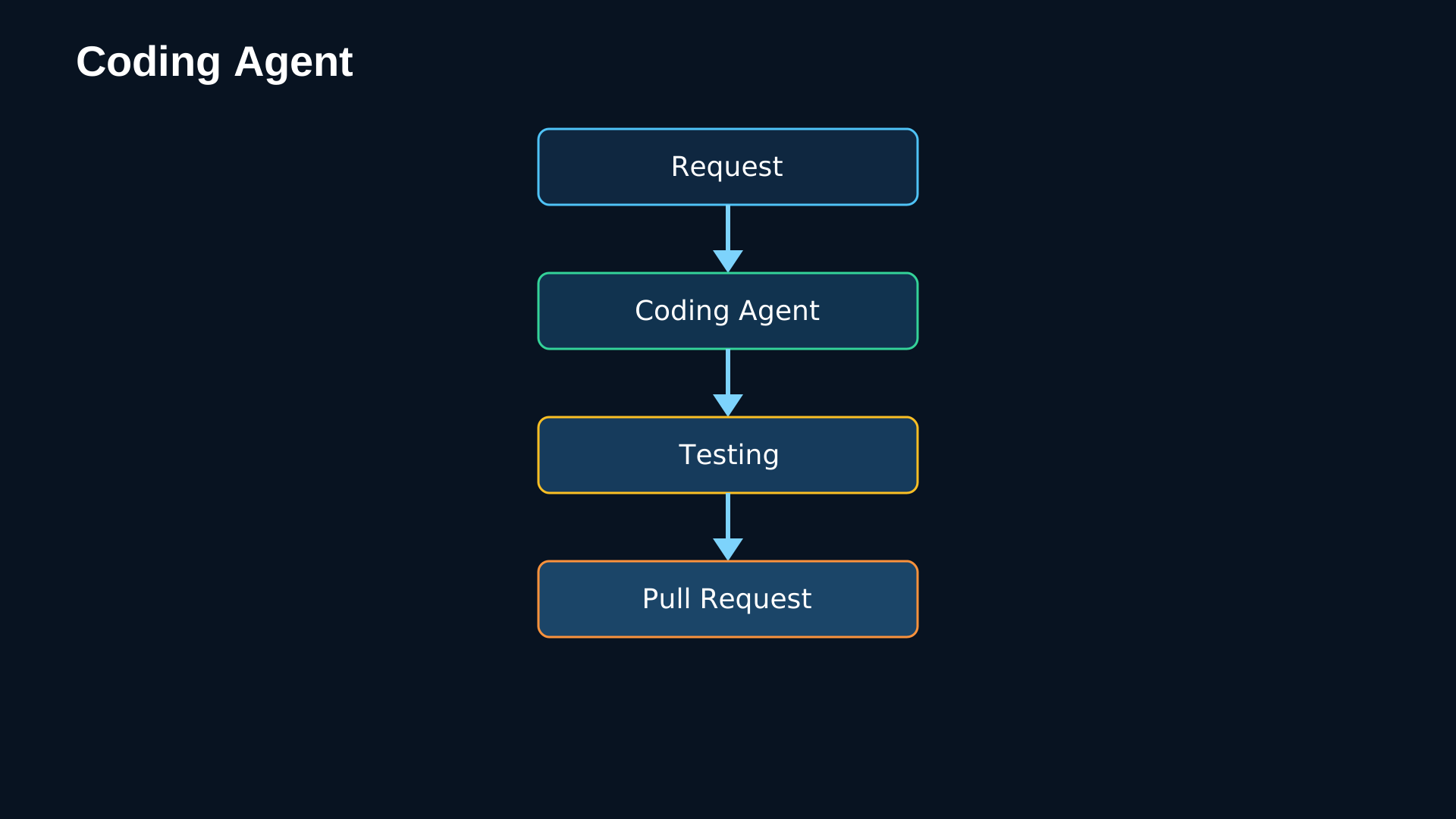
Coding agent branch-based software delivery workflow diagram

Coding Agent

Plans software changes, edits code, runs tests, updates documentation, and prepares changes for review.

Best-fit use cases

App rescue, mobile development, website changes, bug fixes, branch-based delivery, changelog updates.

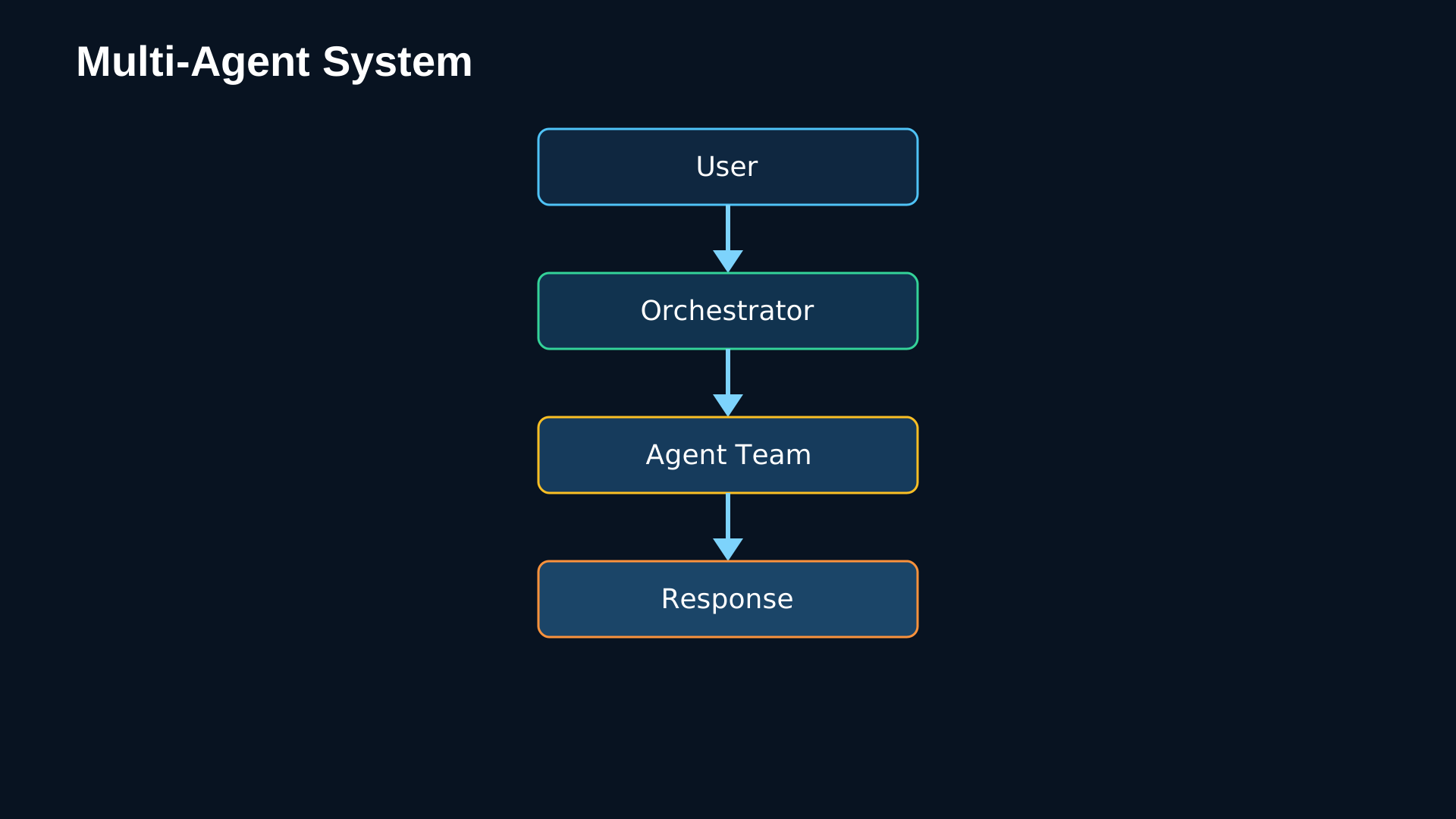
Complete multi-agent system architecture diagram

Multi-Agent System

Combines an orchestrator, specialized agents, shared tools, governance, logs, and human approvals into a complete AI business system.

Best-fit use cases

Enterprise AI workflows, insurance claims, pension systems, field service, secure customer operations.

Recommended Architecture

One orchestrator, narrow agents, limited access, visible approvals.

For most business systems, the safest and most maintainable approach is a multi-agent architecture with one orchestrator, several narrow-purpose agents, limited tool access, database permissions by role, audit logging, and human approval for sensitive actions.

Recommended multi-agent architecture showing orchestration, specialized agents, shared services, governance, logs, and human approval paths

Guardrails

Agent systems need controlled boundaries.

AI agents should be designed with least-privilege access, clear logs, safe fallbacks, approval queues, and data boundaries. Any system that changes appointments, sends messages, updates records, reviews claims, or handles private information should be built with human oversight and auditable actions.

Planning an AI Agent System?

Design the workflow before choosing the model.

HerbDev can help design the architecture, workflow, data access, and implementation plan for practical AI agents that support real business operations.

Talk About Your AI System